
Tattoo Removal for Brows, Lips & Eyeliner
Laser and Chemical PMU Tattoo Removal in Norwich
If you have unwanted or discoloured pigment, there are safe and effective options available to help lighten, fade or remove it over time. Both laser and chemical (glycolic) tattoo removal methods are offered, and a consultation is always recommended to determine the most suitable approach for your skin and pigment.
The best treatment plan depends on factors such as the age of the pigment, the type and colour of ink used, and how deeply it sits in the skin. In some cases, a combination of both methods may be advised for optimal results. Removal is a gradual process, and more than one session is usually required, with a strong focus on maintaining the integrity and health of the skin throughout.

Laser Tattoo Removal
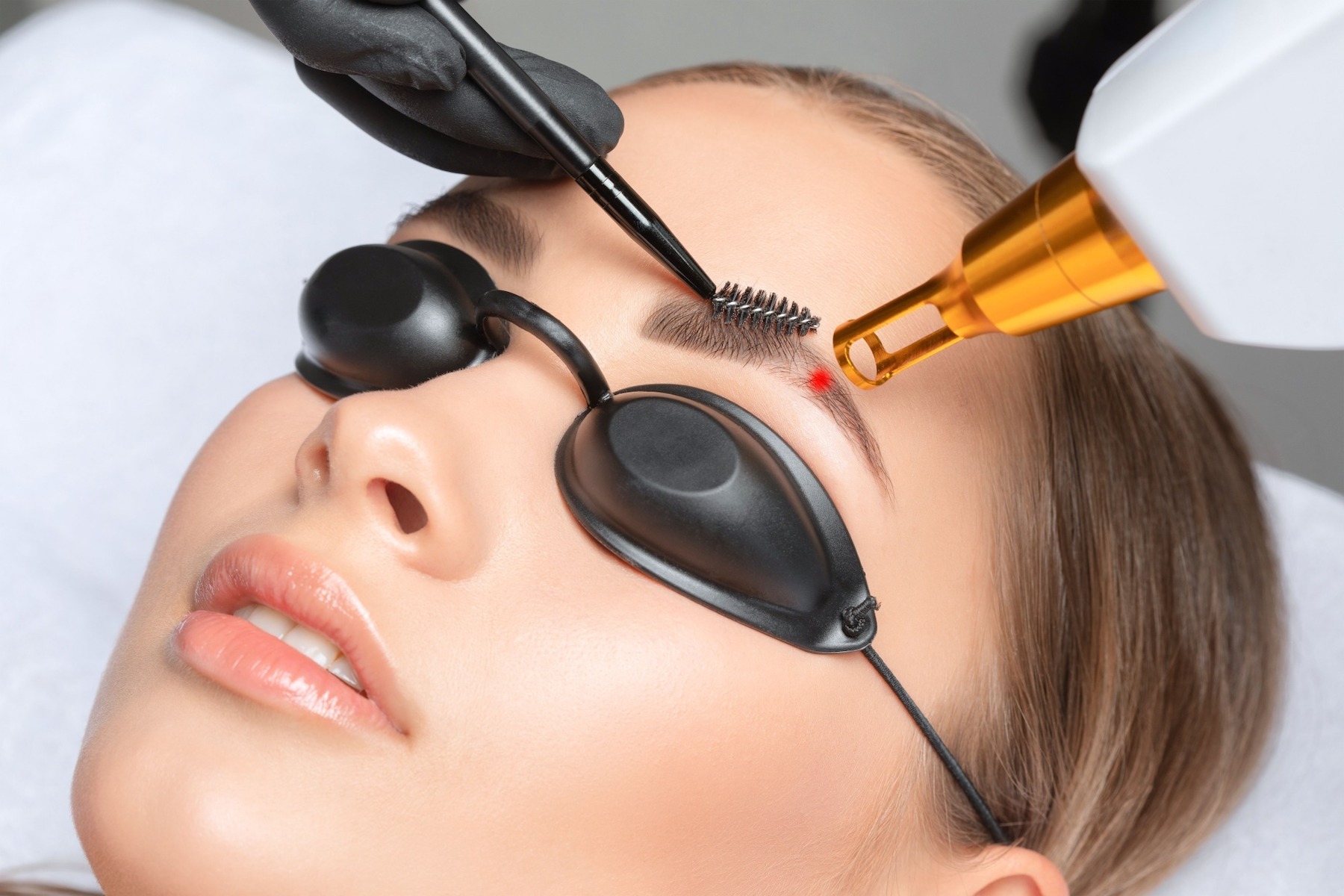
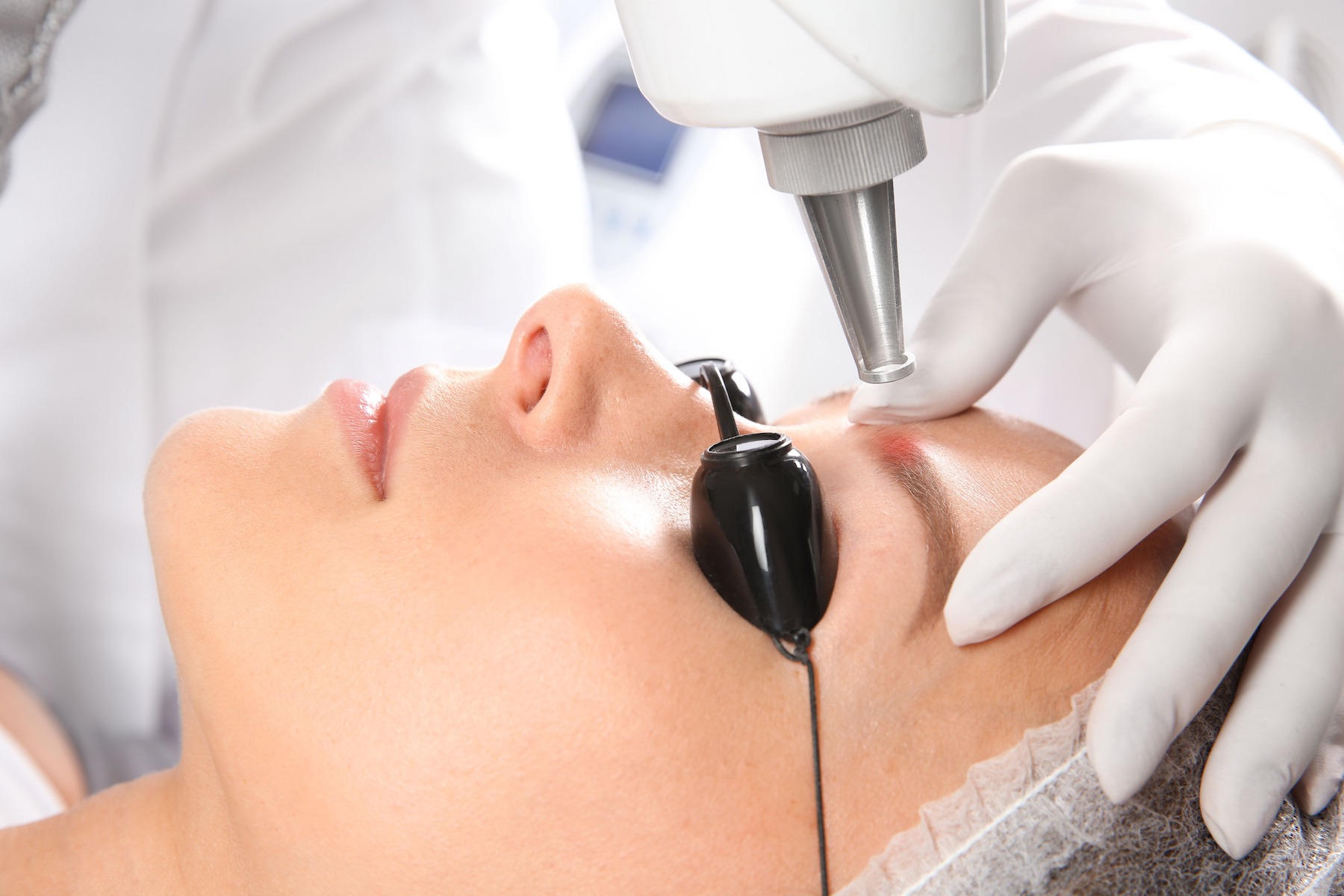
Laser tattoo removal is an advanced, non-invasive method used to fade or remove unwanted cosmetic pigment from the brows, lips and eyeliner area. The laser targets pigment beneath the skin, breaking it down so it can be naturally cleared by the body over time.
Each treatment is tailored to your skin type, pigment colour and depth, and protective eye shielding is always used, particularly around the delicate eye area. Multiple sessions are typically required to achieve the best possible outcome, with gradual fading between appointments.
Commonly used for:
Eyebrow tattoos and microblading
Powder and ombré brows
Faded, grey or discoloured cosmetic pigment
Eyeliner and lip pigment (subject to assessment)

Chemical Tattoo Removal (Glycolic Method)
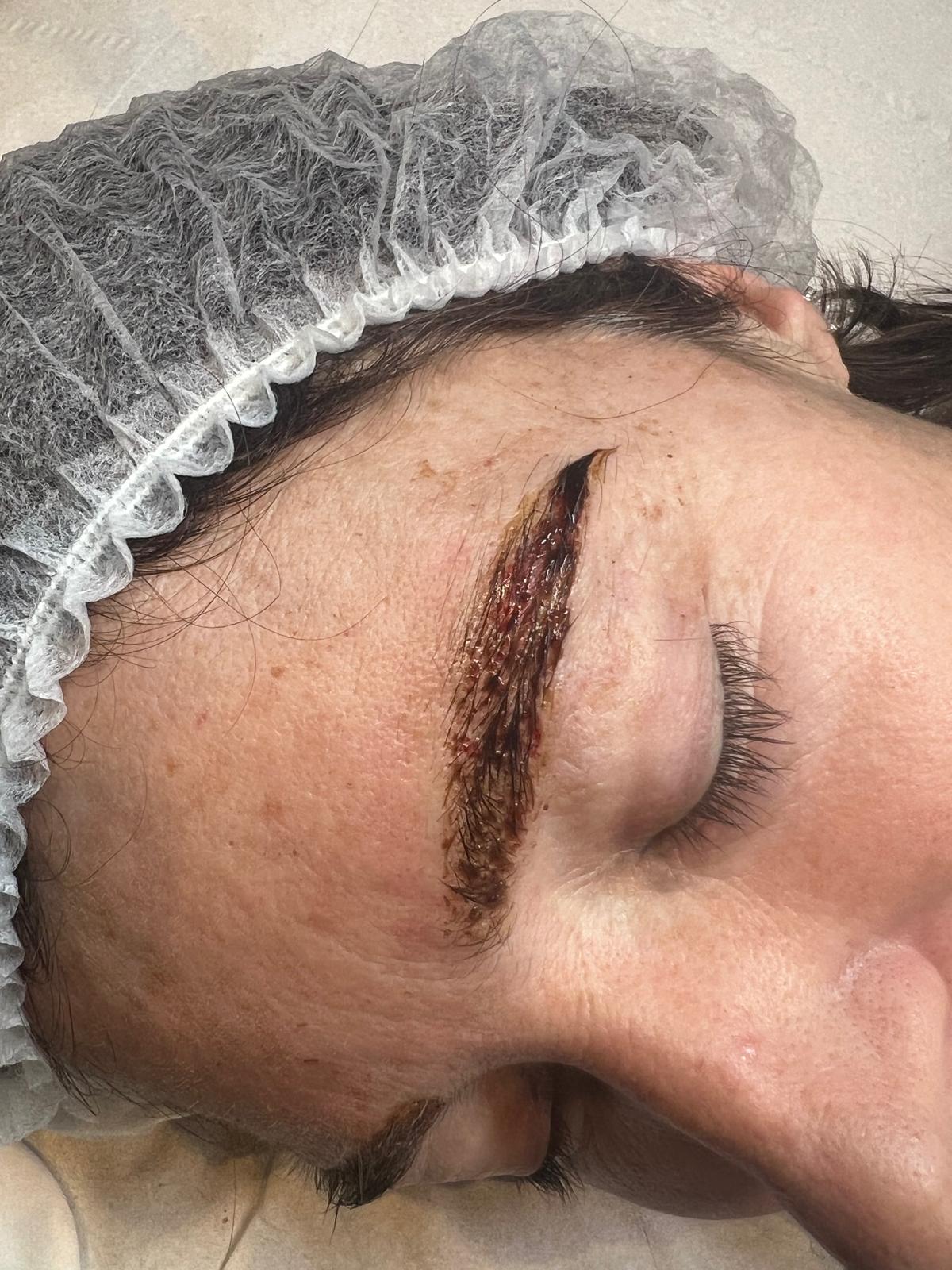
Chemical tattoo removal using a glycolic-based solution is a non-laser method designed to lighten or remove unwanted cosmetic pigment from the skin. The solution is carefully implanted into the treated area, helping to break down and lift pigment as the skin heals.
This method can be particularly effective for treating a wide range of pigment colours, including stubborn yellow tones, and may also help improve fibrous or scarred skin caused by previous treatments. During the procedure, pigment is gradually released from the skin and continues to fade throughout the healing process.
Some light scabbing may occur within a few days, and pigment is naturally shed as the skin heals. Multiple sessions may be required, with fading occurring between treatments. While strong results can often be achieved, complete removal cannot be guaranteed and varies from person to person.
Tattoo Removal Contraindications & Aftercare
Laser Removal Contraindications
Laser tattoo removal may not be suitable if you:
Are pregnant or breastfeeding
Have active skin infections, cold sores, open wounds or inflammation in the treatment area
Have a history of keloid scarring or poor wound healing
Are taking Accutane or have taken it within the past 6–12 months
Have uncontrolled diabetes, epilepsy or immune disorders
Are prone to post-inflammatory hyperpigmentation
Have photosensitivity or take photosensitising medication
Have recently had Botox, fillers or cosmetic brow treatments (time restrictions apply)
A consultation and patch test may be required prior to treatment.
Laster Removal Aftercare
Proper aftercare is essential for safe healing and the best results:
Expect mild redness, swelling or sensitivity for 24–48 hours
Keep the area clean and dry
Avoid makeup on the treated area until healed
Do not pick, scratch or rub the skin
Avoid sun exposure, tanning and heat (such as saunas or steam rooms) for at least 2 weeks
Apply only recommended soothing or healing products
Avoid exfoliants, acids, retinol or active skincare for 7–10 days
Use SPF once the skin has fully healed
Chemical Removal Contraindications
Chemical tattoo removal may not be suitable if you:
Are pregnant or breastfeeding
Have active skin infections, open wounds or inflammation in the treatment area
Have a history of keloid scarring or poor wound healing
Are using Accutane or have used it within the past 6–12 months
Have uncontrolled diabetes or immune disorders
Are prone to severe hyperpigmentation
Have recently had Botox, fillers or other cosmetic brow treatments (time restrictions apply)
Chemical Removal Aftercare
To support proper healing:
Keep the area clean and dry
Avoid makeup, sweating, swimming and sun exposure until healed
Do not pick or remove any scabs
Apply recommended aftercare products only
Avoid exfoliants, acids, retinol or active skincare until fully healed